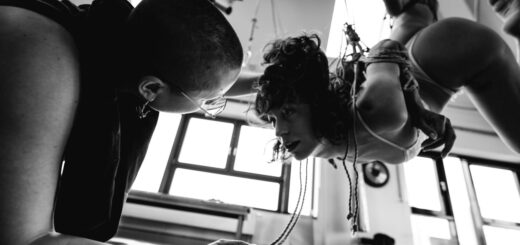
Soptik & Sansei – Announcing presenters
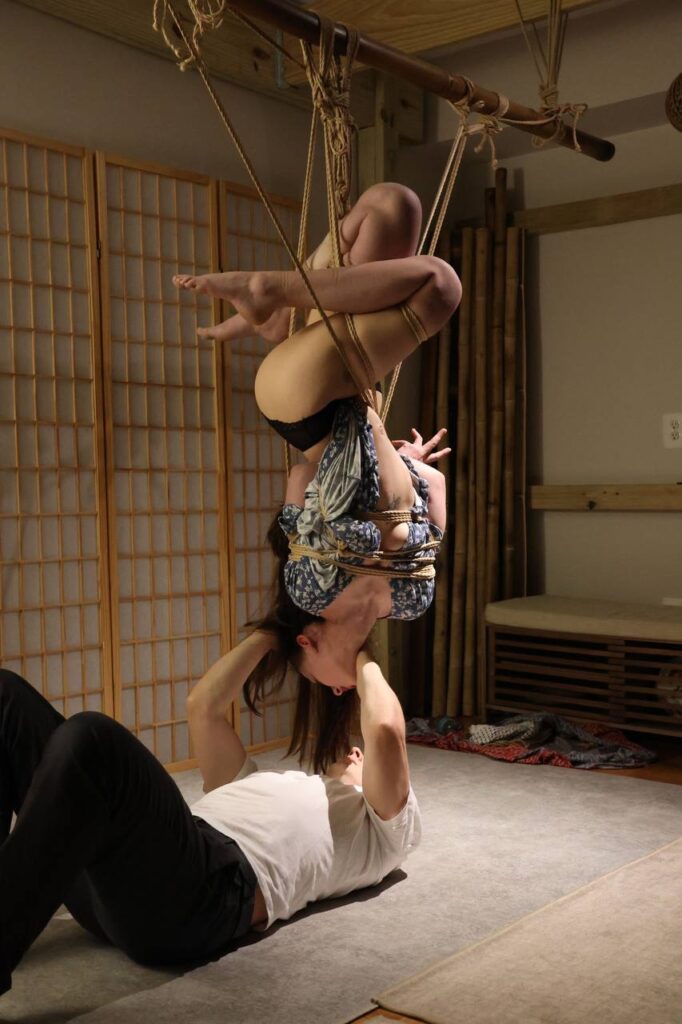
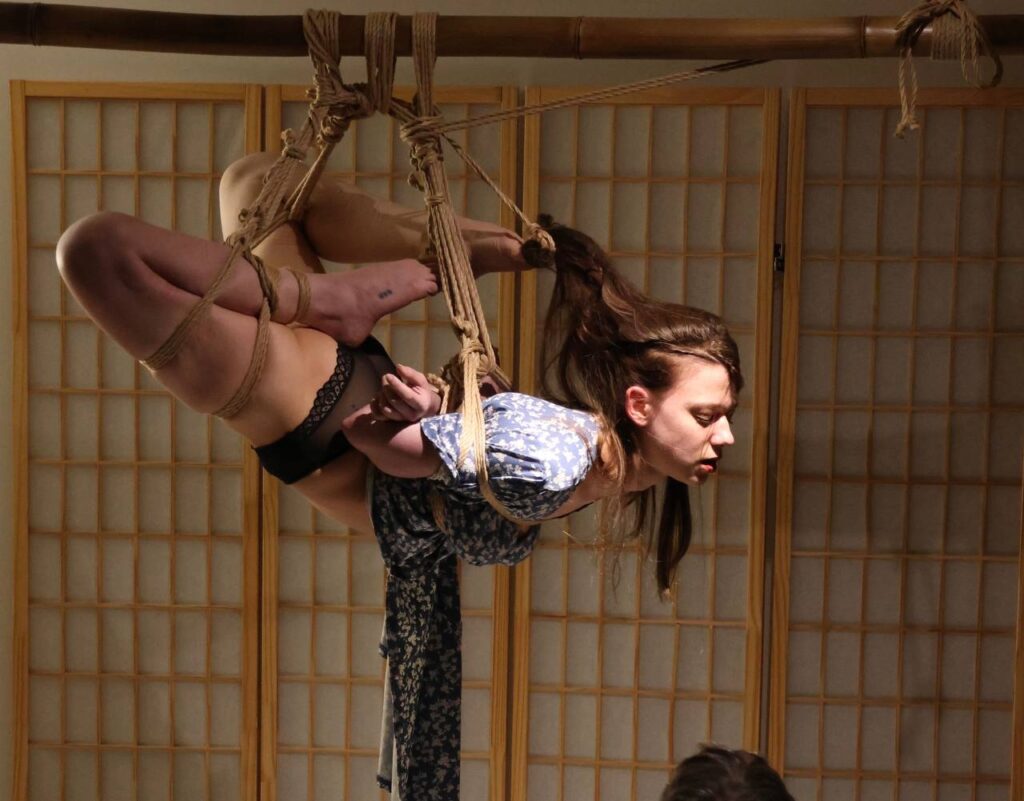
Soptik and Sansei’s approach to ropes is about a deep connection between two people. They find this connection particularly in traditional kinbaku and are passionate about the Kinbaku LuXuria style that they are both certified for up to level 1. Soptik has been studying this style with Riccardo Wildties and Red Sabbath since 2013. Riccardo is a deshi of Naka Akira and his style is an interpretation of Naka Ryu more suited to western riggers and models.
Sansei and Soptik started their journey together a few years later and now not only study but also research their own interpretation of the style.
Their tying and their teaching includes classical patterns, aesthetics and also deep surrender to the core, dark emotions in semenawa and existing for each other. Through kinbaku they pursue things they are passionate about. Among the different flavours they tie and teach are objectification and exposure, from shame to humiliation, and some niche topics such as neck rope and arm binders.
Soptik has been studying Japanese bondage for a long time. He studied with Kinoko Hajime, Osada Steve, Nawashi Kanna, Arnoys Nicolas and Naka Akira. They taught him the basics, technique and also the movement, intimacy and simplicity of the ropes. Today his style is shaped by his studies with Riccardo Wildties.
Sansei has been doing ropes since 2017. Her approach to tying is specific with a deep surrender to her rigger, an almost altered state of being while tying, exploring the often dark emotions that ropes can bring and the beauty of them. Of particular importance to her is the naturalness of the experience and the effect of the rope on the human soul and body. She is not only a model, but also a rigger. She has been studying with Soptik since 2019 and the Kinbaku LuXuria style with Riccardo Wildties and Red Sabbath since 2022. The experience of both roles allows her to better understand and pass on deeper insight. She is passionate about Japanese aesthetics and philosophy, which is a great inspiration in her tying.
Although Naka style is their preferred way of tying today, they are open to enjoying spontaneity and fun with ropes, and their personal practice and teaching also includes lighter topics.
Find out more about their workshops at www.soptiksansei.com.
Workshops
Futomomo – from unstructured to improvised
(Workshop level: L1-3)
There are different ways of tying a futomomo. Since it is usually just a one rope structure, a small mistake in its construction can become painful at best or even dangerous at worst.
Futomomos differ in aesthetics, structure, the number of ropes, and comfort. Even if tying a comfortable one is not the aim of the workshop, learning to tie it well naturally leads to a much more comfortable result.
At this workshop we will explore different ways of tying futomomos and explain their structural elements such as the kannuki, stem, placement and others. We will also cover body handling to achieve the best results.
Requirements: Single column tie, X friction, good rope handling, good ability to follow instructions.
Tension ropes
(Workshop level: L2)
Tension ropes are a very simple concept that usually only mastered by the most advanced riggers. They shape the body and create unique movement. The ropes pull the model in different directions, removing all possibility of movement. It resebmles the broken shapes of ikebana.
At this workshop we will learn how to apply tension ropes to different body parts. We will explain their function and how they work. We will cover also their aesthetics.
Requirements: Any upper body harness (Takate Kote or others), experience with suspension lines and partial suspensions.
Futomomo inversion – tension and beauty
(Workshop level: L3)
A futomomo might be suspended in many ways. At this workshop we will explore how to create beautiful shapes with the model’s body using the concept of tension ropes. Their body will be shaped into eye-pleasing curves of the body that will be in contrast with strong tention in their body.
This workshop will build upon on the Futomomo and Tension ropes workshops, though attending them is not a prerequisite.
Requirements: Any upper body harness (Takate Kote or others), a solid futomomo and experience with suspensions.
Frog tie
(Workshop level: L3)
Partial suspensions are quite often more difficult than full suspension in both build-up and sustainability. The number of possible positions is limited and for rope models, it might me pretty difficult to stay in them for longer time especially when more ropes are involved.
At this workshop we will introduce you to the frog tie – a static tie made from up to 12-14 ropes that slowly progress into a very strict position with no possibility of movement. It creates exactly the kind of helplessness and hopelessness that invites the surrender so typical of semenawa.
While this workshop builds on the Futomomo workshop, prior attendance is not required.
Requirements: Any upper body harness (Takate kote or others), good Futomomo and experience with partial suspensions.